
Inside Francesca Sawer’s Mission to Calm Food Allergy Fear
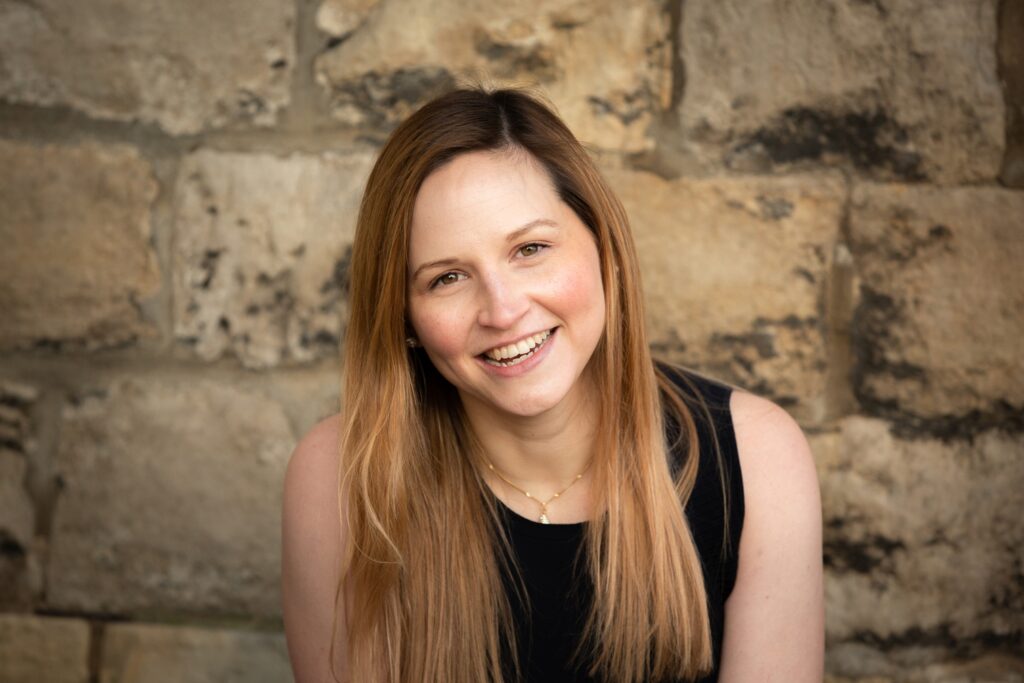
This month, we’d love to introduce you to Francesca Sawer, a clinical psychologist specialising in food allergy anxiety and the emotional impact of living with allergies. What began as an unexpected role within a hospital allergy service became a defining moment in Francesca’ career, opening her eyes to how deeply allergies shape not only daily routines, but confidence, relationships, and a person’s sense of safety in the world. From the shock of diagnosis to the ongoing weight of responsibility and fear, she has witnessed how food allergy anxiety touches every part of family life. Today, Francesca is dedicated to helping children, parents, and adults feel steadier, more supported, and less alone as they learn to live well alongside allergies, not just manage them.

You specialise in food allergy anxiety, what first motivated you to focus your work on the emotional side of living with allergies?
So, it often feels like fate to be honest, as before I worked in allergies it wasn’t something I knew much about and it’s not something that was even taught on our clinical psychology training.
I’d worked in a lot of different mental health services, but once I qualified, I found myself mainly working in health settings/hospital settings which I really enjoyed because I think mental health and physical health are so linked. It sounds obvious that mental health impact on our physical health and living with health conditions undoubtedly impact on mental health, yet so often I see services treating the two as separate.
I’d worked in paediatric hospitals, intensive care, eating disorders, and neurodevelopmental and child assessment services previously and was in the process of applying for a similar job in a different hospital, when they called me and said, actually would you consider this other role we have available in the children’s allergies service, we’ve read your CV and think your experience would be really great.
At this point I had not got any experience of allergies, but then researching it, I realised it was so niche anyway, so I gave it a go. I’ll admit looking back I did go in a bit naïve, but literally from my first week I was blown away by the stories I was hearing and the families I was working with. I was shocked by how much need there was, and how psychological wellbeing filtered through so many aspects of allergy. It wasn’t just supporting the children with procedures and challenges, it was the adjustment to diagnosis, the guilt that parents were experiencing, the weaning journey, whole families relationship with food, the impact on children’s whole development and childhood when they could not do things as easily as other kids their age, the trauma after reactions and I just became so passionate about raising awareness of this and I believe it was fate, because it has been a real turning point in my career and now the majority of my work is allergy related.
What are some of the most common anxiety triggers you see in people with food allergies, and why do you think they’re so widespread?
From my experience it is not usually one specific thing and more about living in repeated uncertainty, sense of responsibility and the consequences of something going wrong feeling high.
Eating (or being around food) outside the home can be a big trigger for lots of people, and that covers everything from restaurants, parties, to travel. These situations combine uncertainty with loss of control and often you are relying on other people’s knowledge, attention to detail and systems. Over time, the brain learns to treat these settings as inherently unsafe.
Past experiences, near misses and previous reactions can also result in anxiety for lots of people. Even when these happened some time ago, the brain has an excellent memory for threat and keeps reminding us of situations which could be unsafe.
Your Instagram community loves your practical coping tools. What’s one technique you find helps people feel calmer in high-stress allergy situations?
Something I always talk about and what I’m probably best known for is my “safe enough” approach, which is part of my signature method The Allergy Anxiety Method.
When allergy anxiety spikes, the brain is usually thinking “What if something goes wrong and I can’t cope?” Now because there are some risks when living with allergies trying to reassure yourself that nothing is wrong, isn’t going to work. So instead, we have to acknowledge the risk rather than dismiss it, but then focus on minimising this rather than trying to control the things we can’t control for. Because ultimately the more we try to focus on all the things we can’t control, the more we fuel anxiety.
So essentially, we need to focus to capability rather than certainty. Naming the plan and what is happening right now, rather than the fear, is an excellent starting point to redirecting your attention away from the thing that hasn’t happened to instead what is actually happening. I then teach people to develop their own plan for these situations, which includes techniques for anchoring to the present moment, calming their breath and stress response, as well as being aware of the thinking biases and unhelpful behaviours that creep in, but ultimately keep anxiety going.
Many people also believe that feeling calmer means being less safe. It does not. You can keep firm boundaries and good medical management while also working on how much mental space the allergy takes. My biggest message is that reducing anxiety is about changing the weight of the experience, not denying the reality of it.
Many people feel isolated or misunderstood when dealing with food allergy anxiety. What advice would you give someone who feels alone in their experience?
Feeling alone with food allergy anxiety is so incredibly common, even though many others are living with the same fears. In my experience the isolation often comes not from the allergy itself, but from carrying an experience that is hard to explain and easy for others to minimise and misunderstand.
I try to support people to find language that helps others understand. Ultimately you do not need to justify your allergy to anyone, but having a simple explanation can reduce friction and awkwardness which causes people avoid situations, which is what adds to feeling isolated. Phrases like, “I’m not trying to control the situation, I’m trying to manage risk,” often land more clearly than long explanations.
Also try to find spaces where you are understood. I know this can be hard, but with the online world and allergies being much more common these days, there are definitely other people going through the same as you. Having people who “get it”, without having to explain can be so regulating in itself.
For parents navigating their child’s food allergy, anxiety can be just as overwhelming. What is one thing you wish every allergy parent knew?
It’s hard because it is hard. The mental load of parenting is so high, but if we add allergies into the mix and it’s a whole other ball game.
It’s really important to remember that overwhelm is not a sign that you are doing something wrong or not coping.
Parenting a child with a food allergy asks you to hold constant responsibility in a world that is unpredictable and not always careful, so of course your nervous system stays alert. To me that response is understandable. But what matters most is learning to separate the safe behaviours that are needed to minimise risk, from the unhelpful behaviours that come into play when anxiety takes over.
Your child does not need you to be fearless, but they need you to be calm, consistent, and confident in your plan. When parents feel equipped rather than on edge, children feel this and they then feel safe.
As a parent you’re allowed to work on your own anxiety. Doing so does not mean you are relaxing safety, it means you are supporting the whole family and opening up opportunity to live life with allergies just being a part of this.
What misconception about food allergy anxiety do you wish more people, especially non-allergic people, understood?
Food allergy anxiety is not about being dramatic or overprotective, it’s about managing real risk in an unpredictable world.
For people without allergies, food is usually safe by default. For allergic individuals and families, food requires constant assessment. Labels can be unclear, ingredients can change without warning, environments vary and other people can make mistakes. When the consequences of an error can be severe, vigilance is not optional.
However, what often gets missed is that allergy anxiety is not some sort of personality trait. Yes, it can be increased in those who might be generally more anxious, however for lots of people living with allergies, it is a learned nervous system response shaped by experience. Reactions, near misses, and what can feel like high levels of responsibility, all teach the brain to stay alert.
Interestingly another misunderstanding, which can also stop people getting help, is that calm equals careless. Although it is completely understandable how allergy anxiety starts and is perpetuated living with allergies, this does not mean you can’t live safely with allergies without having anxiety.
The goal is proportionate safety. So this means clear plans, good medical management, and boundaries that allow life to keep expanding, not shrinking. Understanding this then shifts the conversation from “why are you anxious?” to “how can I support you in managing risk?”, and that shift matters more than most people realise! Imagine if we could have a world full of friends and families that responded in this way.
You’re a strong advocate for mental health within the allergy space. What changes would you love to see in how healthcare professionals approach allergy anxiety?
I would love all allergy services to have access to a clinical psychologist or suitable qualified mental health professional, who can support the psychological impact of allergies, but also work with teams to ensure that psychological wellbeing and allergy anxiety is always considered alongside the medical and dietary management of allergies.
This would mean there being more access to clinical psychologists like myself. To make this happen we need greater awareness of the psychological impact of allergies and just what a difference clinical psychologists and specialist therapist can do in this in area.
Looking forward, what’s your hope for the allergy community in 2026, whether in awareness, education, or emotional support?
My hope for the allergy community in 2026 is a shift from surviving allergies to living well alongside them.
In raising awareness, I hope we move beyond headlines and fear-based messaging, towards a more accurate public understanding of what food allergy management actually involves. Not panic or dismissal, but respect for real risk and the everyday effort it takes to manage it well.
I also hope emotional and psychological support is no longer treated as an optional extra. Understanding adrenaline use, allergen avoidance, and action plans matters, but so does understanding anxiety and this should be standard part of allergy care, especially for parents and young people.
And finally from an emotional perspective, I hope the community feels less alone. For there to be more spaces in which people can say, “This is hard,” without being told to relax, toughen up, or be grateful. More clinicians, schools, and organisations that recognise that confidence grows from feeling equipped, not sidelined.
Ultimately, my long term hope and mission with the work I do is that people with food allergies and their families feel safer and steadier, not because the risk has disappeared, but because support has finally caught up with reality.
How would you advise someone who’s just received a new allergy diagnosis? What first steps can help them manage both the practical side and the emotional impact?
A new allergy diagnosis can feel overwhelming, not just because of what you have to do, but because of what it suddenly means for your sense of safety. My advice is to slow the process down and tackle it in two parallel tracks: practical safety and emotional adjustment.
1) Start with a clear, simple safety foundation
Learn the essentials but appreciate you can’t know straightaway. Understand your confirmed allergens, how to read labels, and exactly when and how to use your medication. Practice the plan until it feels familiar. Confidence comes from clarity, not from absorbing endless information.
2) Expect an emotional reaction and normalise it
Shock, fear, grief, anger, or hypervigilance are common early on. Nothing has gone wrong if you feel unsettled. Your nervous system is adjusting to new rules, and that takes time.
3) Separate learning from catastrophising
Early research spirals are understandable but rarely helpful. Set boundaries around information intake and stick to reliable sources. More information does not automatically mean more safety.
4) Focus on what stays the same
Your life is not over. Many routines, relationships, and pleasures remain possible. Holding onto continuity helps prevent the allergy from becoming your whole identity.
5) Find support early
If possible, connect with a clinician or community that understands both allergies and anxiety. Feeling understood reduces fear faster than reassurance alone.


