
Helen Blythe & the five years that changed allergy safety forever!
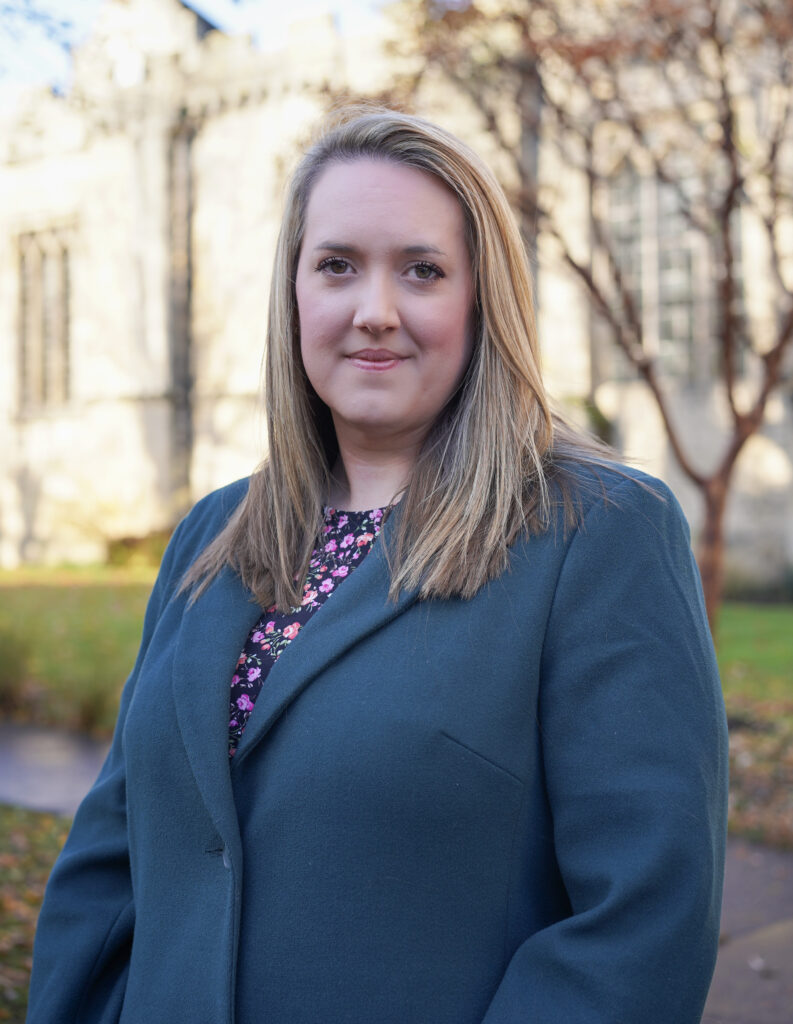
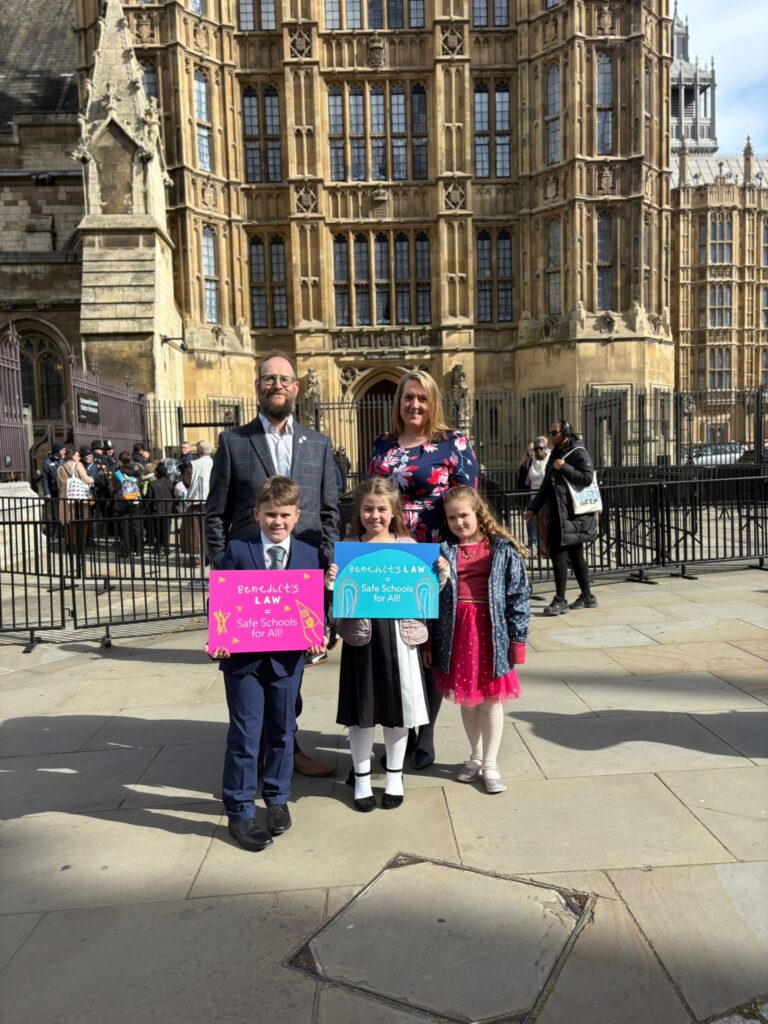
For this month’s Allergy Spotlight, we are incredibly proud to introduce Helen Blythe, co-founder of the Benedict Blythe Foundation. In September 2021, Helen’s son Benedict tragically died after suffering an allergic reaction at school. He was five years old. In the years that followed, Helen and her family did something remarkable. They channelled the most unimaginable grief into a campaign that changed the law.
This September, Benedict’s Law becomes statutory guidance for every school in England. That means clear allergy policies, trained staff, spare adrenaline auto-injectors and individual care plans, for every child, in every school, across the country. Not because a school happens to care. Because the law says so.
We sat down with Helen to talk about the work behind that change, the community that carried it forward, and what she wants every newly diagnosed family to know.
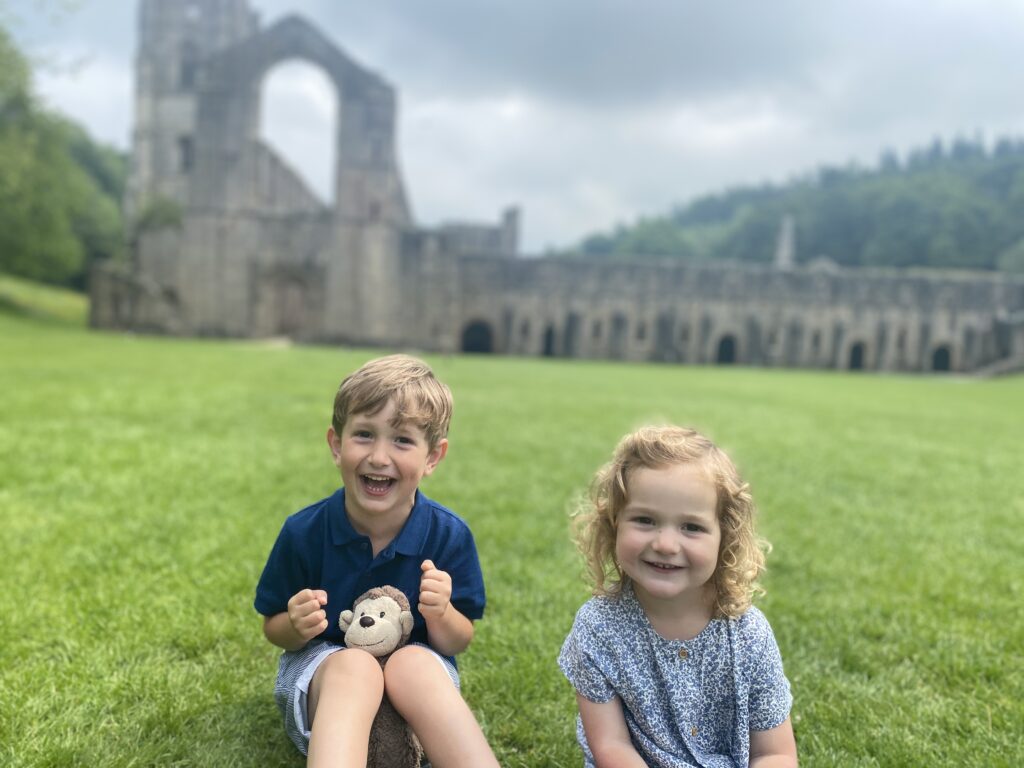
Can you tell us what the foundation’s work looks like day to day, and what has surprised you most about the community you have built around it?
People are often surprised to discover how small we are. The Foundation itself is a tiny team, made much bigger by an incredible group of people who lend their time, expertise and energy whenever they are needed. That allows us to punch well above our weight.
A lot of our work ends up sitting at the intersection of policy, politics and public awareness. On any given day we might be speaking to ministers, supporting parents, preparing for events, coordinating campaign activity, briefing parliamentarians, speaking to the media, or simply sending vast numbers of emails. Much of the work is invisible and revolves around maintaining relationships with a wide range of stakeholders, because change comes from bringing the right people together over time.
Recently, a lot of our focus has been on Northern Ireland, while new governments settle in across Scotland and Wales. But we know the implementation of Benedict’s Law in England is now just around the corner, and there is a huge amount happening behind the scenes to support that.
What has surprised Helen most is the willingness of people to step forward. “Time and again, individuals have offered their expertise, influence, time and support simply because they believe children deserve to be safer,” she told us. “That collective effort means that when an issue is raised in Parliament, or a debate takes place in the House of Commons, there is already a network of people ready to help amplify it.”
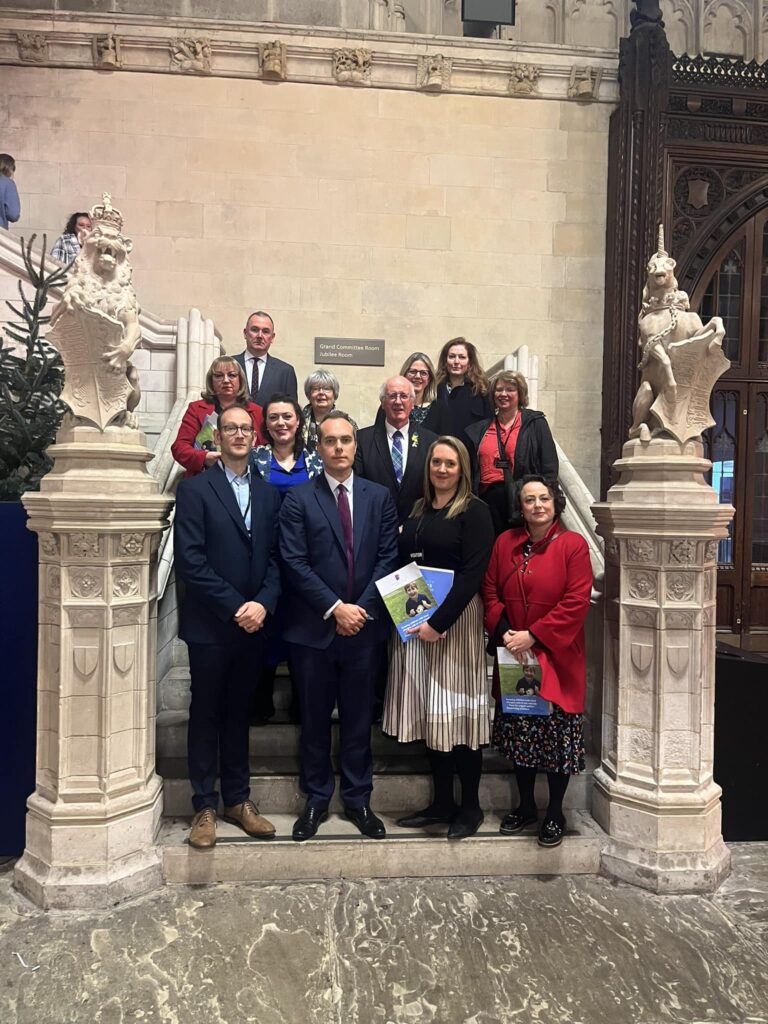
Benedict’s Law becomes statutory guidance for every school in England this September. What does it feel like to be standing on the eve of that actually happening?
It is a strange feeling, Helen admits. “In many ways, we have spent so long focused on getting here that we haven’t really stopped to reflect on it.”
There is pride in what has been achieved. Thousands of families, clinicians, charities, parliamentarians, teachers and supporters helped drive a conversation that ultimately led to a change in the law. That simply did not seem possible when they started.
But for Helen, the overwhelming feeling is not celebration. It is responsibility.
“The legislation may have passed, but the thing that really matters is what happens in schools,” she says. “A child is only safer if the guidance is understood, implemented and embedded into everyday practice.”
September will be an emotional moment. Benedict should have had the opportunity to grow up, start secondary school, sit exams, and build a future of his own. It will be five years since he first started school. He was only five when he died.
“We can never change what happened to him,” Helen tells us. “But knowing that children across England will benefit from protections that weren’t there when he was alive matters hugely.”
More than anything, she hopes families feel reassured. Benedict’s Law will not remove every risk. But it should mean that allergy safety is no longer dependent on whether a school happens to have a particular interest or expertise. It becomes part of what every family can reasonably expect.
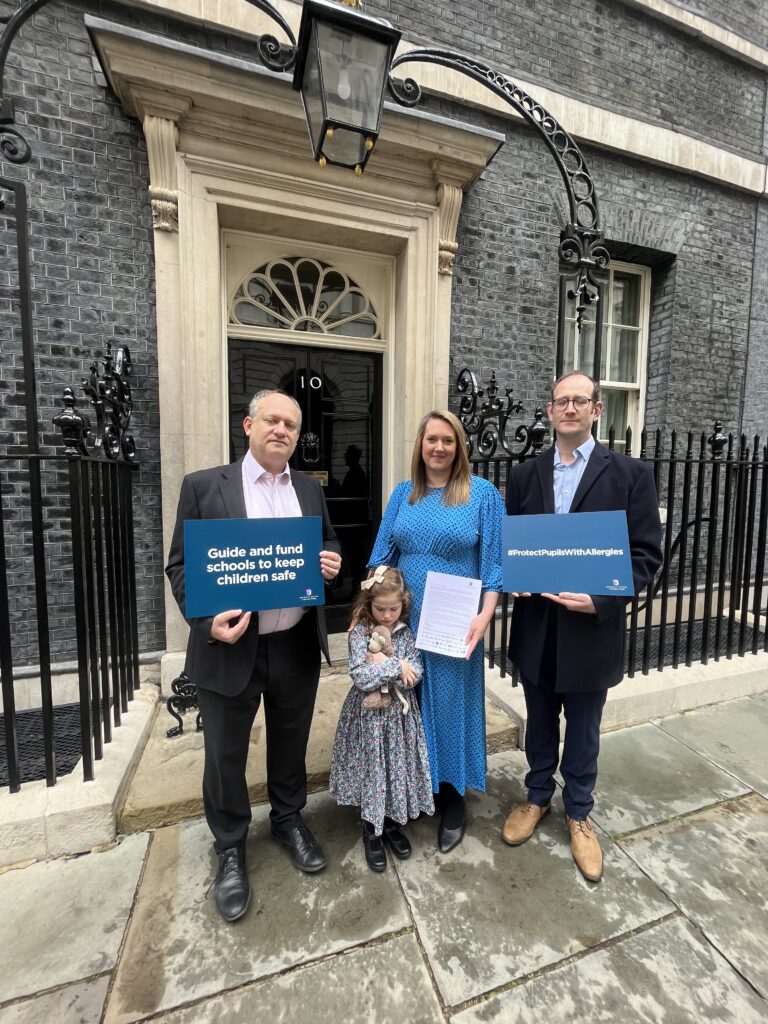
The allergy community is one that often rallies around each other in a way that is quite unlike any other. What has the community given back to you and your family since you began this work?
“The allergy community has given us far more than we have given it.”
When Benedict died, Helen says, they were just a family trying to navigate unimaginable grief. They did not set out to build a campaign or establish a foundation. They simply wanted to understand what had happened and try to stop it happening to somebody else.
Along the way, they found a community of people who understood. Parents who knew what it felt like to carry the constant responsibility that comes with keeping a child safe. Clinicians who dedicated their expertise to helping create change. Teachers, campaigners, charities and businesses who stepped forward and asked, simply, how they could help.
“What has always struck me is the generosity of the community,” Helen reflects. “People continually put their weight behind one another’s causes, often without seeking recognition themselves.”
Perhaps the greatest gift has been the knowledge that Benedict is remembered. There are thousands of people across the allergy community who never had the opportunity to meet him, yet who carry his story with them and use it as motivation to make things better for others.
“As a parent, that means more than I can adequately put into words.”
For a parent who has just received their child’s allergy diagnosis and is feeling completely overwhelmed, what is the one thing you would want them to know?
“I would want them to know that it won’t always feel as overwhelming as it does today.”
In the beginning, many parents find themselves constantly on high alert. Every meal, birthday party, school trip and playdate can feel like something that needs to be carefully planned and risk assessed. Helen says that is a completely normal response when you are suddenly responsible for managing something that protects a little person you love more than anything.
But over time, confidence grows. You learn what matters, your child learns about their allergy, and the practical aspects of managing it become part of everyday life rather than something that dominates it.
Most importantly, an allergy does not define who your child is. They are still the same funny, curious, determined, unique person they were before the diagnosis. Their life can still be full of adventures, friendships, opportunities and joy.
Helen also wants parents to know the world is safer now than it was five or ten years ago. “As their children grow, so will the safeguards. Things are always getting better.”
And when the worry of exclusion creeps in, she offers this: “We know it’s a child’s safety that might worry us as parents, but it’s when they’re excluded from experiences that it breaks our hearts. That’s something we hope will start to shift as awareness grows.”
You have just joined, she says, one of the most generous communities she has ever encountered. You may not know that yet. But you will.
As Benedict’s Law comes into force and the UK’s first National Allergy Strategy takes shape, what does the next chapter look like?
“One of the things we have learnt through this campaign is that passing legislation is only ever the beginning.”
The immediate focus is making sure Benedict’s Law is implemented well. Families do not experience safer schools because a law exists on paper. They experience safer schools when staff are trained, policies are embedded, medication is available, and children are genuinely understood and supported.
Beyond England, there is still much more to do. Children in Scotland, Wales and Northern Ireland deserve the same protections, and the Foundation is already working with families, clinicians, charities and policymakers across the UK to help make that happen.
The National Allergy Strategy is an important opportunity. For the first time, there is a chance to look at the issue in a joined-up way, across healthcare, education, workplaces, hospitality and public life.
And the Foundation’s ultimate ambition? To not exist.
“If we manage to achieve our goals across the UK, and everything is implemented as we planned, we’ll be handing the baton over to the very capable allergy charities out there,” Helen says. “As an allergy community we’ve made enormous progress. But there is still a long way to go, and we’re excited about what can be achieved next.”
Helen’s story is a reminder that the most powerful campaigns in the world are not built in boardrooms. They are built by parents who refused to let their child’s death be the end of the story.
What the Benedict Blythe Foundation has built is something that will outlast a single moment in Parliament. It is a shift in what every family in England can now reasonably expect when they send their child to school. And for a community that has spent years asking to simply be taken seriously, that shift means everything.
Because every child deserves to be safe. Not just the lucky ones.
You can find out more about the Benedict Blythe Foundation and their ongoing work at www.benedictblythefoundation.org.


